

We use cookies to ensure our site works properly, personalize your experience, and analyze how people use our pages. By clicking "Accept All," you agree to the storing of cookies on your device. You can customize your choices or withdraw your consent at any time by toggling your preferences.
Brightening the WORLD!
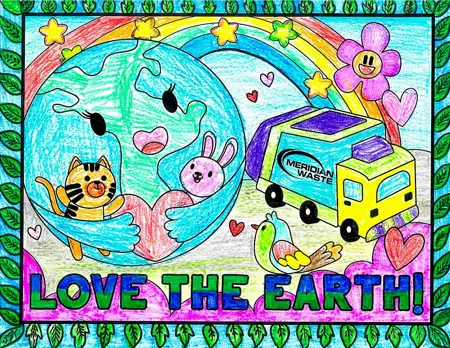
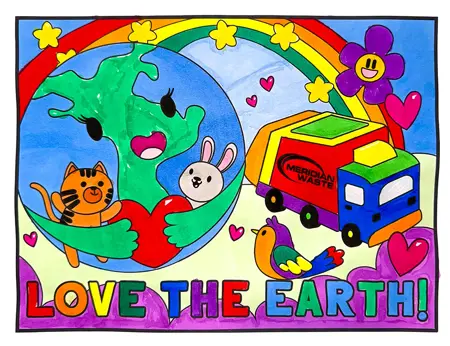
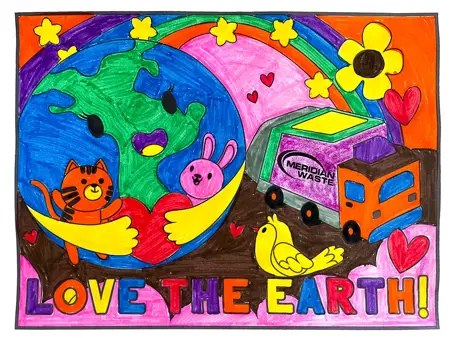
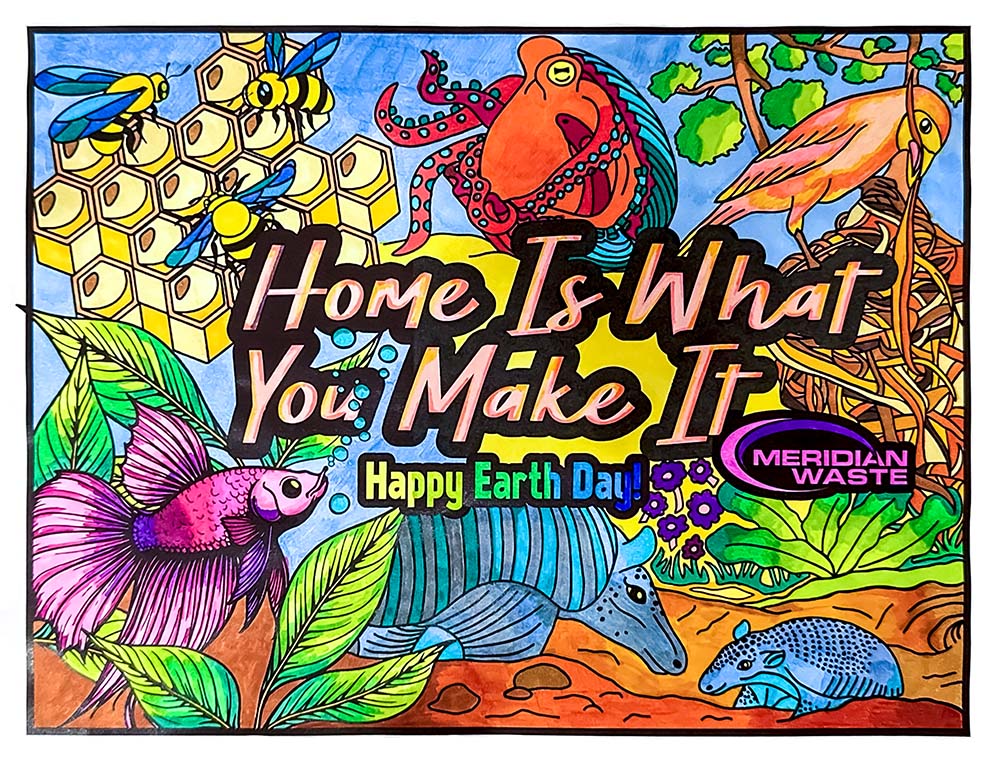
Announcing our Earth Day Coloring Contest Winners!
By keeping the environment clean & green through proper waste management, you too can do your part for the planet!
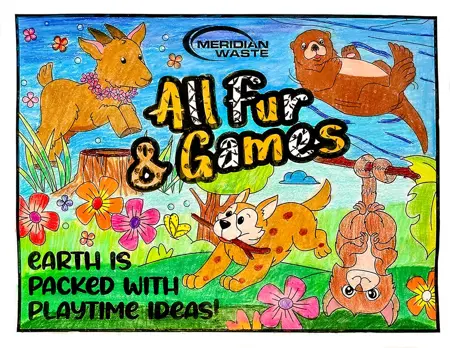
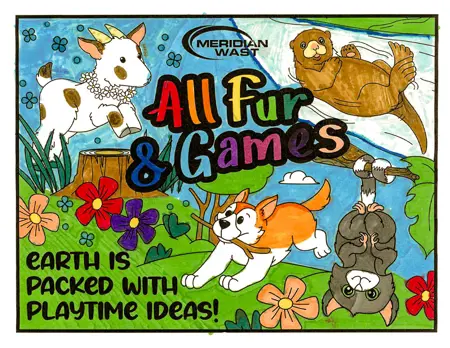
Winners Age 3-4
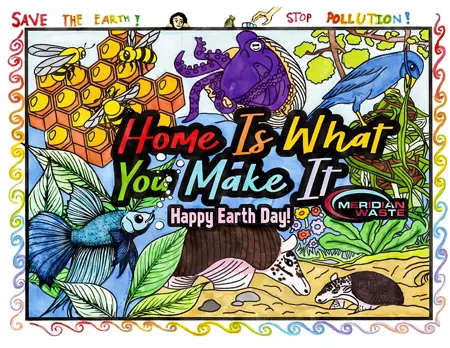
Winners Age 5-7
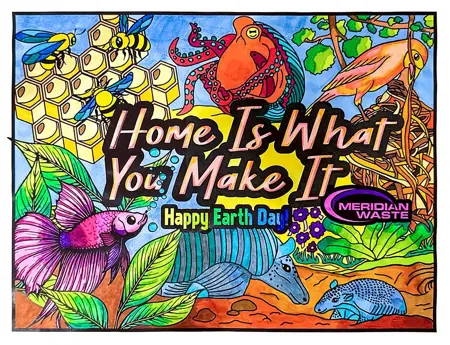
Winners Age 8-10

Recipes
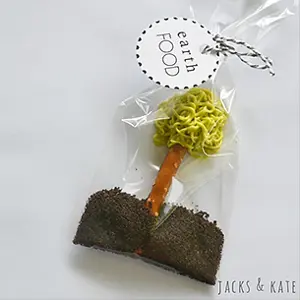
Earth Food
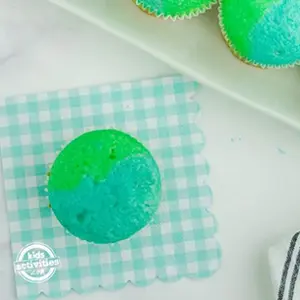
Earth Day Cupcakes
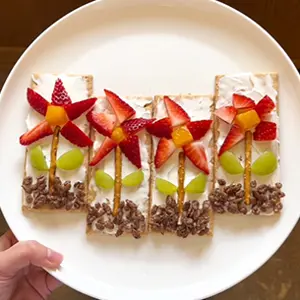
Garden Flower Graham Crackers
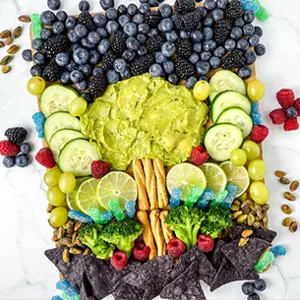
Earth Day Charcuterie Board
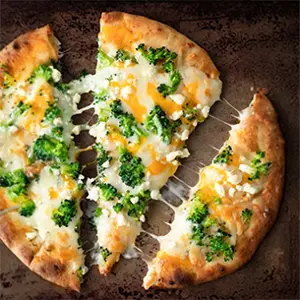
Earth Day Four Cheese Broccoli Pizza Recipe
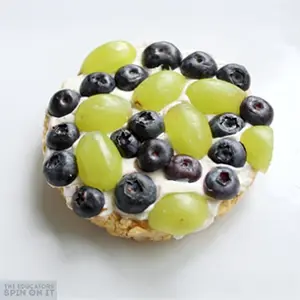
Earth Day Fruit Snack Recipe
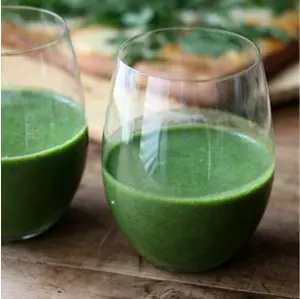
Earth Day Green Smoothie
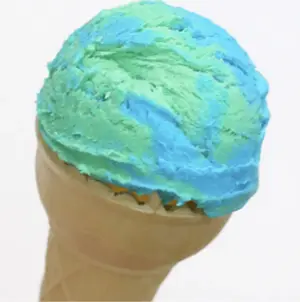
Earth Day Ice Cream
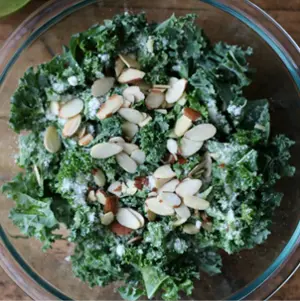
Earth Day Kale Salad With Lemon Dressing
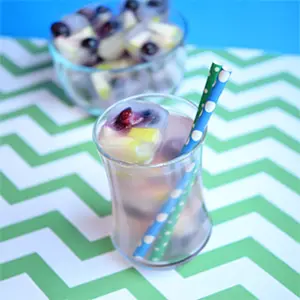
Earth Day Lemonade Recipe
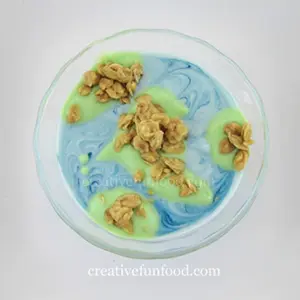
Earth Day Yogurt Parfait Recipe
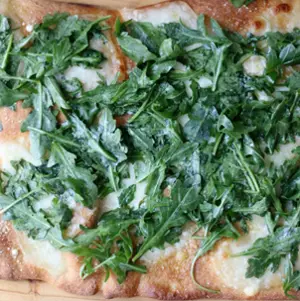
Green Pizza Recipe For Earth Day
Green Crafts
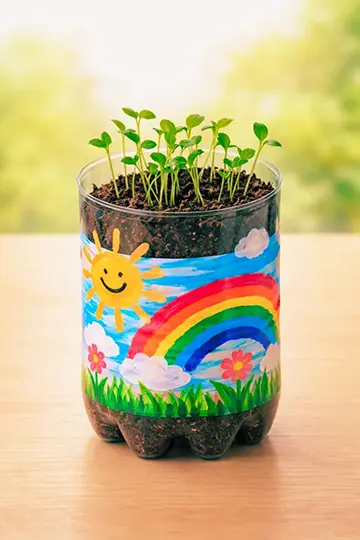
Recycled Bottle Planters
Supplies:
Empty Plastic Bottles (water or soda bottles work great)
Scissors
Paint or Markers
Soil
Seeds (grass seeds or small flowers are perfect)
Directions:
Cut the bottle in half - keep the bottom part
Create small drainage holes in the bottom of the bottle
Decorate the exterior using paint or markers
Fill the bottle with soil and plant seeds
Water seeds regularly!
Credit: Pawsomeverse.com
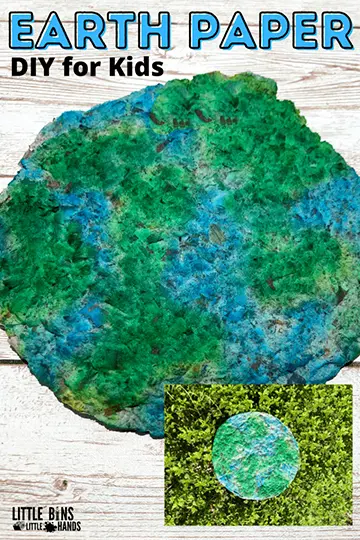
Recycled Paper Earth
Supplies:
Old newspaper
Water
Blender
Food Coloring
Strainer
Paper Towels
Pan or Dish
Oven
Directions:
Cut up about a cup of newspaper into small strips
Add the paper strips and half a cup of water into a blender. Blend the paper into a pulp.
Pour this material into your strainer to drain the excess water. Use a spoon to press the pulp against the screen
Place the circle of pulp onto a pile of paper towels and place in an oven-safe pan/dish
Add drops of green and blue food coloring so your circle resembles Earth
Place the pan into the oven preheated to 200 degrees. Heat for 4 hours or until dry and hard.
Trim the edges of your paper Earth
Credit: Little Bins for Little Hands
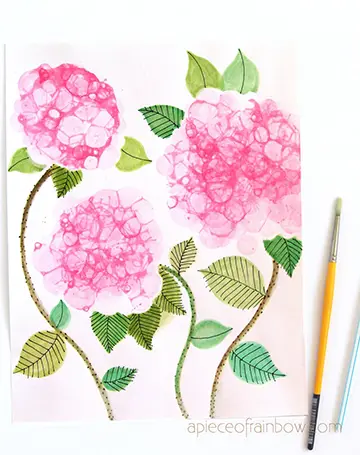
Bubble Paint Flowers
Ingredients:
White Cardstock, construction paper or watercolor paper
A straw
A dish with low sides or pie pan
Green constriction paper or green watercolor paints for leaves
Scissors
White glue
Non-toxic acrylic paint
Non-toxic dish soap
Water
Directions:
In shallow pan, mix bubble paint with 1 part paint, 1 part dish soap and 2-3 parts water
Use the straw to blow bubbles into the mixture
When you have a large clump of bubbles, place the white paper gently on the top of the bubbles, but do not let it touch the paint mix below
Put multiple bubble circles on one page or cut out and glue onto a new page
Use green paper or watercolors to add leaves to your flowers
Credit: A Piece of Rainbow
Green Books To Read
Check out your local library, or trade books with a friend! Here are some ideas:
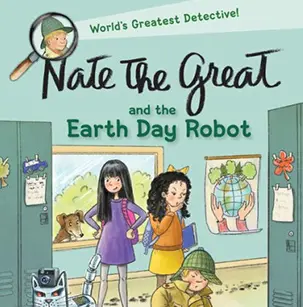
Nate the Great and the Earth Day Robot
by Andrew Sharmat
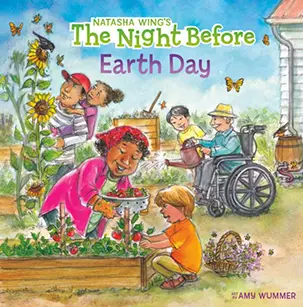
The Night Before Earth Day
by Natasha Wing
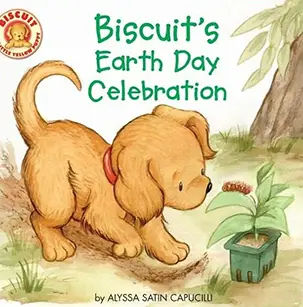
Biscuit's Earth Day Celebration
by Alyssa Satin Capucilli
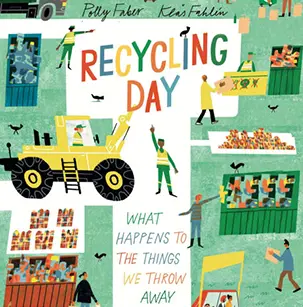
Recycling Day: What Happens to the Things We Throw Away
by Polly Faber
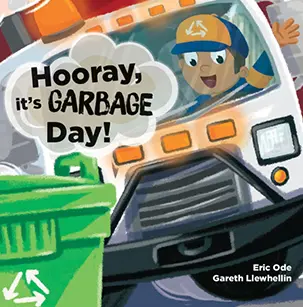
Hooray, It's Garbage Day
by Eric Ode
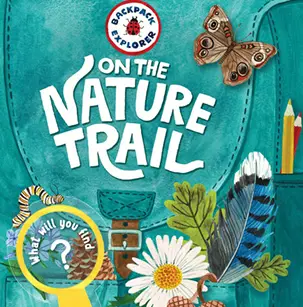
Backpack Explorer: On The Nature Trail: What Will You Find?
by Storey Publishing